
January 23, 2026
The Nine-Hour Car Ride That Changed How Doctors Do CPD
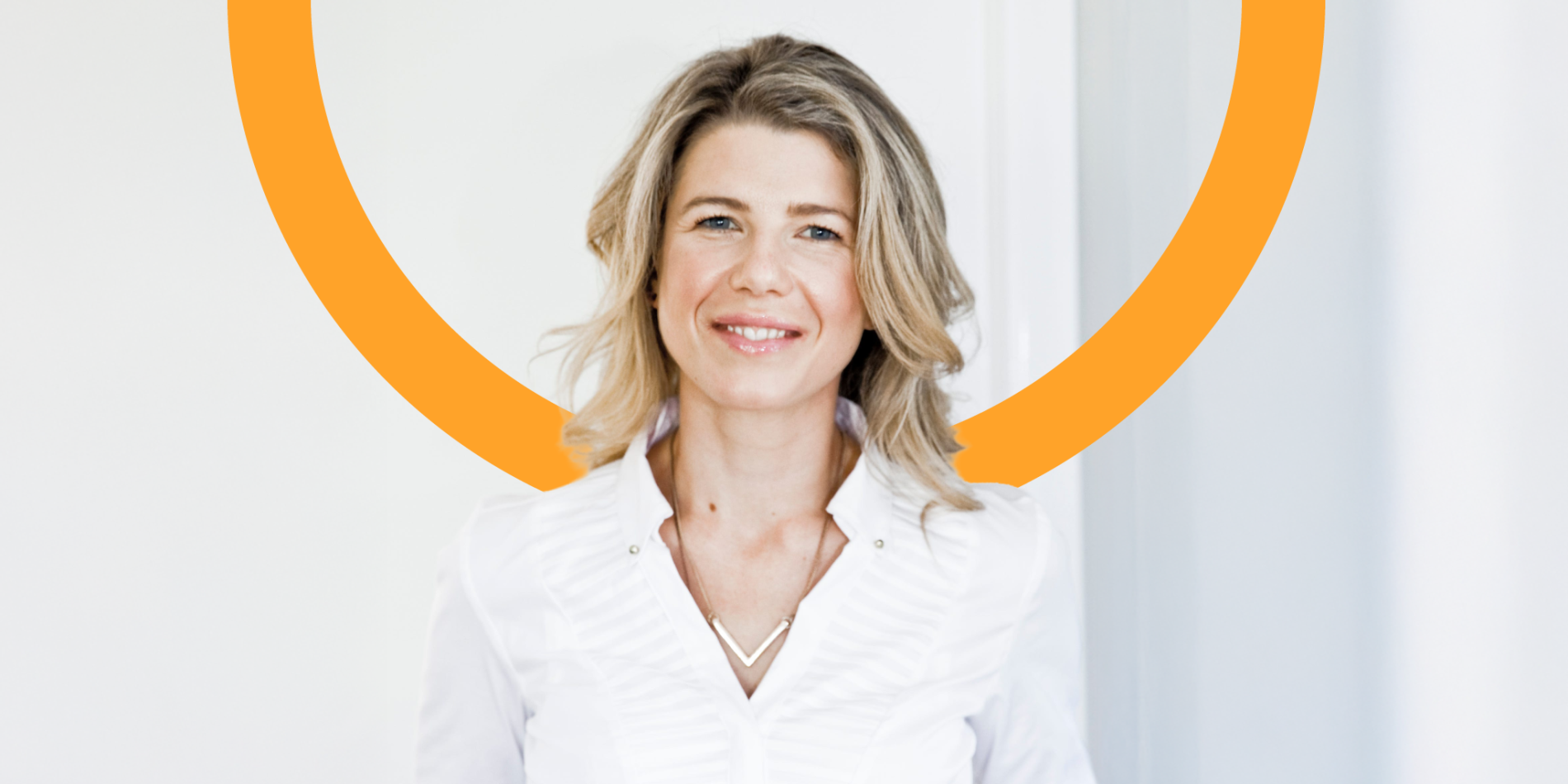
When the CPD requirements changed in 2023, doctors across Australia were stressed, confused, and angry. Dr Susannah Ward was bored enough on a nine-hour car drive to actually figure them out. What she discovered became Ataraxia Collective, and it’s solving a problem much deeper than CPD.
There’s something Dr Susannah Ward sees constantly in her work as a rehabilitation physician doing locum shifts across Australia: brilliant doctors, working in isolation, quietly coming apart.
“Working in private practice as a locum means working in isolation,” Ward explains. “Opportunities for peer review and networking are rare. You don’t have a tribe.”
But it’s more than professional isolation. It’s what happens when doctors spend years maintaining perfect professional composure whilst losing connection with why they went into medicine in the first place.
The Nine-Hour Car Ride
Ward has been involved with the Royal Australasian College of Physicians for years. Training committees, board director, now chair of the Member Health & Wellbeing Committee. So when the CPD requirements changed in 2023 and the medical community was struggling, she couldn’t keep avoiding them.
“Everyone was so stressed,” Ward recalls. “It was a big deal in medicine. Basically no one really understood what the changes were, and when you did look into it, it was really quite overwhelming and confusing.”
On a nine-hour car trip between locum jobs, bored enough to finally tackle the issue, Ward dug in. Her realisation: they weren’t actually that bad. “The tricky part was the coming together, the reviewing performance, the professional conversations. And it all sort of felt like it fitted retreat environments where you could actually do this work together.”
Rather than doctors struggling alone with requirements they resented, what if they completed them together in a way that was actually enjoyable?
She reached out to the college. They were supportive. She partnered with medical coach Dr Sarah Dalton. In 2024, they launched the first retreat.
“I never, ever wanted to be a CEO,” Ward says. “This is so out of my comfort zone, and I have no idea what I’m doing. But the only reason I keep doing this is because people love it so much.”
She could earn significantly more doing locums or medico-legal work. But since launching in 2024, Ward has run eight retreats, and what started on that car ride has become something unexpected.
The Real Problem
What Ward is really addressing isn’t CPD compliance. It’s what she calls “the masking.”
“You go to these conferences and have canapés and drinks, but it’s very masked,” Ward explains. “It can feel really empty. There’s a lack of meaningful connection between colleagues, even between patients.”
Traditional conferences reinforce this. Everyone maintains professional composure. No one really connects.
Her retreats are different. “When you first meet everyone, they’re kind of scared,” Ward says. “But by the end, shoulders drop, smiles come out. You get to know them as real people. They’re still incredible doctors, but they’re also Alana or James.”
What Actually Happens
Ward now runs three different retreats: Be Well (self-care and restoration), Be Chill (stress management and burnout prevention), and Be Extraordinary (cultural safety and bias in medicine). Each provides 12 hours of CPD credit, including 2 hours of performance education, 5 hours reviewing performance, and 5 hours measuring outcomes.
What started as retreats just for physicians has expanded. “It’s now an inclusive mix of gender, age, and specialty,” Ward explains. “Any doctor registered with AHPRA can attend.”
Retreats begin Friday afternoon because timing matters. “Doctors often come disregulated, stressed, busy. You need a certain amount of time for your physiology and emotions to settle.” There’s optional yoga or walks, good food, maybe board games. By Saturday morning, people are ready for the real work.
Ward teaches active listening and professional sharing, skills many doctors never formally learned. She facilitates workshops on values and priorities, helps identify blind spots like perfectionism and people-pleasing. Her mentor in medicine taught her something she now passes on: “Be kind, show up, do the work. That’s it. You do those three things, you’re actually a better doctor than 99.9%. You don’t need to know it all. You need to look it up. Ask for help.”
“We make sure everyone is welcomed and feels safe to do as they need,” Ward says. “That may mean skipping a session for a lie-in. That’s perfectly okay. There’s no judgement.”
The Transformations
Ward sees the shifts happen every retreat. Doctors arrive carrying weight they haven’t been able to put down: difficult personal situations, workplace challenges, the accumulated stress of working in isolation. By the end of the weekend, something has shifted.
One guest came up to Ward in tears after the final session. “She said it was everything she needed: support, reflecting, taking time for herself, making friends. She went back in better condition to deal with what she was facing.”
Months after retreats, Ward receives emails. A doctor has started teaching patients a self-care technique she learned. Another has restructured their practice around their values. Someone else has found clarity on how to handle a difficult work situation.
The most surprising benefit wasn’t something Ward planned for. “The validation when doctors share their experiences. It’s so empowering. The connection they develop with themselves is priceless.”
Living the Values
This week, Ward could have picked up lucrative shifts whilst her seven-year-old is on school holidays. She could be pushing harder to sell retreat tickets. Instead, she’s with her son.
“My priority is my son: nurturing his development, making sure he feels connected and loved,” she explains. “My value is being a present mum. So I’ll wait until he goes back to school. That’s what’s aligned with my values. If I did it any other way, I might sell more tickets, but it wouldn’t fill my cup.”
This clarity, knowing your values and making aligned choices, is exactly what these retreats help doctors rediscover.
The most common objection Ward hears? “I don’t have time.”
Her response: “Maybe some doctors don’t, and maybe some feel they don’t. Or maybe some feel they don’t deserve the time or feel guilty. Ultimately, you need to gift yourself this experience. You deserve it just as much as any other doctor, but only you can make the time for it.”
As chair of the RACP Member Health & Wellbeing Committee, Ward is watching the culture shift. “It’s becoming part of the culture. One of the key parts of the CPD change is a focus on doctor wellbeing and the wellbeing of colleagues. It’s wonderful we can discuss these issues so freely now and prioritise our own self-care.”
Beyond the CPD hours, attendees walk away with practical tools: “Self-care skills, new personal and professional insights, a sense of future direction and career focus, and self-coaching skills so you can continue your journey on your own.”
The 2026 Retreats
Be Extraordinary CPD
Running 27-29 March 2026 at QT Newcastle, this retreat focuses on cultural safety and bias in medicine, with optional yoga, coastal walks, and time to explore Newcastle’s beach and cafe culture between CPD sessions.
Ward will be joined by Dean of Medicine Professor Kirsty Forrest and Indigenous healthcare worker Sarah Boyne, who has over 20 years of industry experience. “It’s incredible. It’s very emotional,” Ward says. “I cried. I wasn’t the only one. It’s hard work, but by that stage everyone has the skills to sit with the truth.”
The work is demanding: identifying personal biases, developing individual standards for cultural safety, setting goals for changing practice. But it happens in an environment Ward has learned to create.
“I explain there are no expectations or rules, just an invitation to reserve judgement of ourselves and each other,” she says. “We have an introduction circle and this soon turns into a laughter circle where shoulders drop and smiles come out.”
Be Well CPD
This May retreat at Bells, Kilkare Heights is facilitated with medical coach and paediatrician Dr Sarah Dalton. It focuses on self-care and restoration, providing the same comprehensive CPD credit whilst helping doctors reconnect with their own wellbeing.
Be Chill CPD
Coming in November at Caves Beach, this retreat on stress management and burnout prevention will be facilitated with medical coaches Dr Jo Braid and Dr Sancha Robinson.
Sign up for sales release here.
Ward admits this is “very small business, small time. I can’t expand.” But for the doctors who attend, something shifts. They complete their CPD. They find their tribe. They reconnect with why they went into medicine.
“I always get to this point where I’m like, why am I doing this?” Ward says. “And then I do one and I’m like, okay, I have to keep going.”
Connect with Ataraxia Collective:
Instagram: @axcollective
Facebook: Ataraxia Collective
Email: hello@ataraxiacollective.com.au
Website: www.ataraxiacollective.com.au